
Getting a steady stream of income from your website’s ads can feel like solving a puzzle. You see the numbers fluctuate. You hear terms like Page RPM and Impression RPM thrown around. But what do they really mean? More importantly, how can understanding these metrics help you boost your revenue? Grasping the difference between Page RPM and Impression RPM unlocks a new level of control over your monetization strategy. It’s not just about increasing traffic; it’s about understanding how your earnings are calculated and how to optimize them effectively.
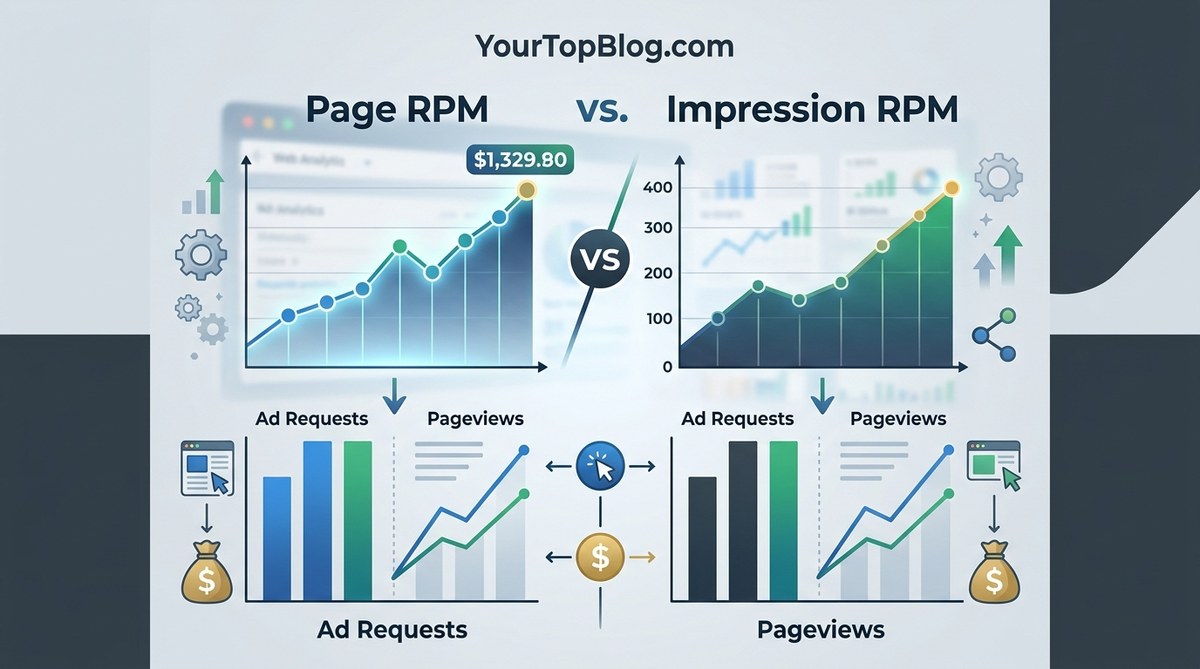
Page RPM and Impression RPM are two vital metrics in monetization. While Page RPM reflects earnings per page view, Impression RPM measures earnings per thousand ad impressions. Understanding their differences helps you optimize ad placements, content strategy, and traffic quality. Focusing on improving these metrics can significantly boost your website income. Use these insights to refine your approach, attract quality visitors, and maximize ad revenue without solely relying on traffic volume.
What Are Page RPM and Impression RPM Anyway?
Before diving into their differences, let’s clarify what each term actually means. Both are metrics used by publishers to gauge how much money they earn from ads. They are similar but calculated differently, and each offers unique insights into your website’s monetization performance.
Understanding Page RPM
Page RPM stands for Revenue per Mille — that is, revenue per thousand page views. It shows how much money you make on average for every 1000 views of a page. To calculate Page RPM, Google AdSense or other ad networks use this formula:
Page RPM = (Estimated earnings / Page views) x 1000
This metric helps you understand how well your pages are monetizing relative to their traffic. If your Page RPM is high, it means your content or ad placement strategies are effective.
Grasping Impression RPM
Impression RPM, often called Ad Impression RPM, measures earnings per thousand ad impressions. An impression occurs each time an ad is shown to a visitor, regardless of whether they click or not. Its formula is:
Impression RPM = (Estimated earnings / Impressions) x 1000
Impression RPM is especially useful if your site has many ad impressions but fewer actual page views, like with auto ads or header bidding setups. It tells you how much you earn for each ad display, not just for each page view.
The Core Difference Between Page RPM and Impression RPM
Both metrics are valuable, but they serve different purposes in your monetization strategy. Here are the main distinctions:
| Aspect | Page RPM | Impression RPM |
|---|---|---|
| What it measures | Earnings per 1000 page views | Earnings per 1000 ad impressions |
| Focus | How effectively your pages generate revenue | How well your ads perform in terms of impressions |
| Best used for | Analyzing content monetization efficiency | Optimizing ad placement and demand sources |
| Calculation basis | Page views | Ad impressions |
In simple terms, Page RPM looks at the overall performance of a webpage, considering how many visitors and their engagement. Impression RPM zooms in on ad delivery, assessing how much each ad impression contributes to earnings.
Expert tip: If your traffic is high but your earnings are low, check your Page RPM. Conversely, if you notice high ad impressions but low revenue, Impression RPM might be the key to understanding where to optimize.
Why Both Metrics Matter for Your Site
Knowing the difference helps you make smarter decisions. For example:
- If your Page RPM is lagging despite good traffic, you might need to improve content quality, target higher-paying keywords, or enhance user engagement.
- If Impression RPM is low, consider adjusting ad formats, sizes, or placements to boost ad performance.
- Combining insights from both metrics allows you to balance content creation with ad strategy, leading to better revenue.
How To Use Page RPM and Impression RPM To Boost Your Earnings
Here are three actionable steps to optimize both metrics:
- Improve Content Quality and Relevance
Higher quality content attracts engaged visitors willing to spend more time on your site. This increases the likelihood of higher-paying ads being shown. Focus on topics with strong advertiser demand and optimize your content with relevant keywords.
- Optimize Ad Placement and Formats
Experiment with different ad sizes and positions. Placing ads within content or near the end of articles can increase impressions and clicks. Use tools like https://yourtopblog.com/which-adsense-ad-formats-actually-generate-the-highest-rpm/ to guide your choices.
- Refine Traffic Sources
Target organic traffic from search engines. Visitors arriving through search tend to be more engaged and convert better, boosting your Page RPM. Use SEO strategies to attract quality visitors who are more likely to interact with your ads.
Practical Process to Implement These Strategies
Follow this step-by-step plan:
- Audit your current metrics over the past month to identify whether Page RPM or Impression RPM is lagging.
- Test different ad formats and placements on your pages. Use heatmaps or user behavior tools to find high-engagement spots.
- Monitor results weekly. Adjust your strategies based on which metric improves more significantly.
Common Mistakes That Hurt Your RPM Metrics
To keep your monetization on track, avoid these pitfalls:
| Mistake | Impact | Solution |
|---|---|---|
| Overloading with ads | Decreases user experience | Use fewer, better-placed ads |
| Ignoring ad relevance | Low click-through rates | Use targeted ad formats and optimize content |
| Not optimizing for mobile | Reduced impressions and revenue | Ensure responsive ad designs |
| Focusing only on traffic volume | Ignores monetization efficiency | Improve Page and Impression RPMs |
Final Thoughts on Maximizing Your Ad Revenue
Understanding the nuanced differences between Page RPM and Impression RPM gives you a powerful edge. Use Page RPM to gauge how well your content is monetizing per visitor. Leverage Impression RPM to optimize ad display and demand. Combining these insights allows you to craft a balanced approach — creating content that attracts quality traffic while also maximizing ad impressions and earnings.
Apply these strategies consistently. Track your metrics regularly. And don’t hesitate to experiment with new ad formats or content niches. Over time, refining your approach based on data will lead to higher income and a more sustainable monetization model.
Keep Moving Forward with Informed Strategies
Building a profitable website isn’t just about traffic. It’s about understanding how your visitors interact with your content and ads. By focusing on both Page RPM and Impression RPM, you gain a clearer picture of where to improve. This knowledge empowers you to make smarter decisions, attract the right visitors, and boost your revenue steadily.
Start analyzing your metrics today. Small adjustments can lead to significant gains. Remember, consistent testing and learning are key to long-term success in website monetization.