
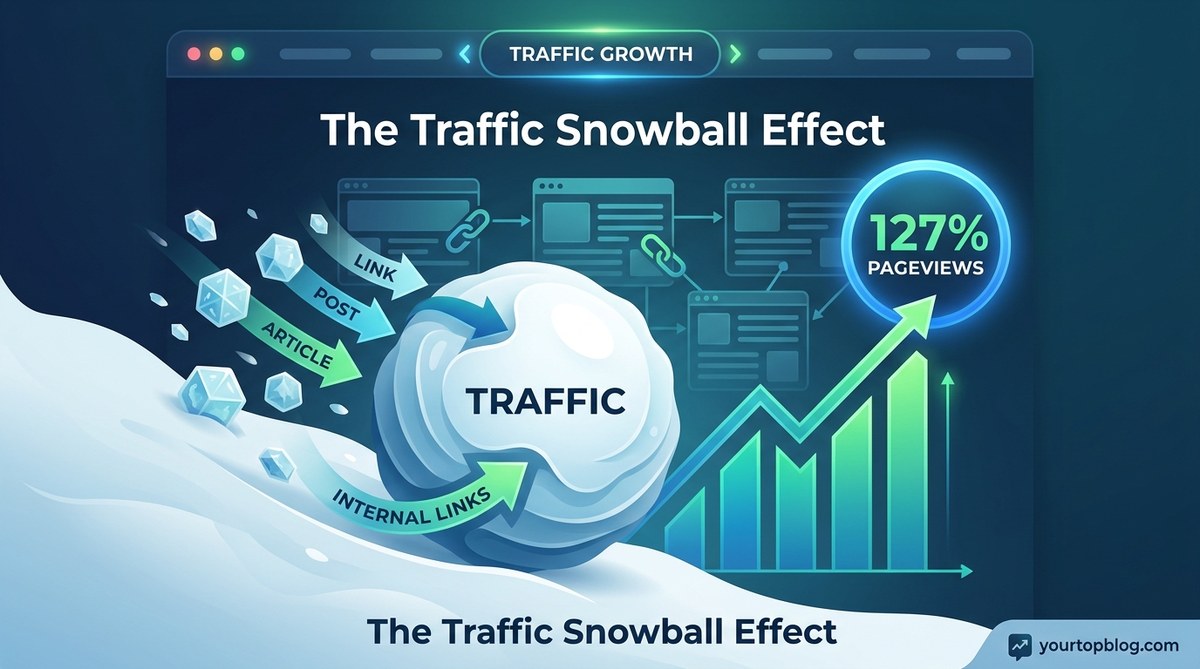
Internal linking might seem like a small detail, but it packs a punch when it comes to growing your website traffic. When done right, internal links help visitors navigate your site more easily, encourage them to stay longer, and guide search engines to understand your content better. All these factors combine to boost your pageviews over time. If you want steady growth and a snowball effect for your traffic, mastering internal linking is a must.
A well-planned internal linking strategy can increase your pageviews significantly by improving navigation, spreading link equity, and establishing content relevance. Focus on creating logical, contextually relevant links that guide visitors and search engines through your site seamlessly.
Understanding the Power of Internal Linking
Internal links connect different pages within your website. They act like roads guiding visitors from one part of your site to another. Proper internal linking helps distribute authority across your pages, signals which content is most important, and improves your site’s overall SEO health. When visitors click on these links, they stay engaged longer and view more pages.
By creating an effective internal linking plan, you set the stage for a traffic snowball. As more pages get linked, your site gains authority, and search engines recognize your content as valuable. This visibility leads to more organic traffic, which in turn creates more opportunities for internal links. It’s a cycle that fuels itself once you get it right.
How To Build An Internal Linking Strategy That Grows Pageviews
Building a successful internal linking plan involves clear steps. Here’s a straightforward process to follow:
- Audit Your Existing Content
Start by listing all your pages and posts. Use tools like Google Search Console or SEO audit tools to identify orphan pages—those with no internal links pointing to them. Find pages with many links pointing to them and those that are underlinked.
- Identify Content Clusters and Pillar Pages
Group related content into clusters around a core topic. Create a pillar page that broadly covers the topic and links to related detailed articles. This structure helps search engines understand your site hierarchy and boosts rankings for your main keywords.
- Create Contextually Relevant Links
Insert links naturally within your content. For example, if you’re writing about email marketing, link to your detailed guide on building an email list. Use anchor text that describes the linked page naturally. Don’t stuff keywords but focus on clarity and relevance.
- Leverage High-Traffic Pages
Use your most visited pages to link to less popular content. This boosts the visibility of your deeper pages and distributes link equity across your site. For example, add links to related articles at the end of your popular blog posts.
- Maintain a Reasonable Number of Links
Avoid overlinking. Too many internal links can dilute their value and overwhelm visitors. A good rule of thumb is to include 2-5 links per article, focusing on relevance and user experience.
Common Mistakes To Avoid In Internal Linking
| Technique / Mistake | Explanation |
|---|---|
| Link stuffing | Adding too many links disrupts readability and reduces their SEO value. |
| Irrelevant links | Linking to unrelated content confuses both users and search engines. |
| Using generic anchor text | Phrases like “click here” or “read more” are less effective than descriptive text. |
| Linking only to the homepage | Your internal links should distribute authority throughout your site, not just to the homepage. |
| Ignoring orphan pages | Pages without internal links are harder for search engines to find and rank. |
Expert tip: Focus on creating a logical, topic-centered link structure. This approach not only helps search engines understand your content hierarchy but also guides your visitors through an engaging journey.
Techniques To Maximize Internal Link Impact
- Use contextual links within your content to reinforce relevance.
- Create pillar pages that serve as hubs for related topics.
- Build topic clusters to establish authority in specific niches.
- Link from high-authority pages to new or low-traffic pages to pass link juice.
- Regularly audit your site for orphan pages or overlinked content.
Mistakes That Can Hurt Your Pageview Growth
| Technique / Mistake | Consequences |
|---|---|
| Ignoring orphan pages | Search engines can’t find or rank these pages, limiting traffic. |
| Overlinking | Dilutes the value of links and reduces user experience. |
| Poor anchor text | Reduces clarity and SEO effectiveness. |
| Not updating links | Broken or outdated links harm credibility and SEO. |
| Focusing only on homepage links | Limits the distribution of link equity and authority. |
How To Find Hidden Opportunities for Internal Links
- Manual Content Review
Read through your articles and identify related topics that could be linked. Look for natural mention of concepts or keywords that match other pages.
- Use SEO Tools
Tools like Ahrefs or SEMrush can help identify pages with few internal links. These platforms also reveal orphan pages needing attention.
- Audit Orphan Pages
Run an audit to find pages with no internal links pointing to them. Create new links from relevant content or update existing pages to include links.
- Assess Over-Linked Pages
If a page has too many links, prune unnecessary ones to preserve link value for core content.
- Build a Hierarchical Structure
Organize your content to resemble a pyramid—main pillar pages at the top, with supporting articles underneath. Link from the top down.
Measuring Your Internal Linking Success
Track key metrics such as:
- Average session duration and page views per session to see if visitors are engaging more.
- Bounce rate improvements, indicating visitors move deeper into your site.
- Organic traffic growth for key pages after implementing new links.
- Page authority distribution across your site.
Use Google Analytics and Google Search Console to monitor these indicators over time.
Final Tips for Growing Your Pageviews Through Internal Linking
- Make links relevant and helpful. Think about what your readers would want next.
- Use descriptive anchor text that naturally fits into your content.
- Create a hierarchy that emphasizes your most important content.
- Regularly update your links as your site grows.
- Don’t forget to audit your internal links periodically to fix broken links and optimize flow.
Keep Your Traffic Snowball Rolling
A thoughtful internal linking strategy builds a strong foundation for ongoing traffic growth. It guides visitors to more of your content, spreads authority efficiently, and signals relevance to search engines. Start small, focus on relevance, and gradually expand your internal network. Over time, you’ll notice your pageviews increase steadily, creating a compounding effect that fuels your website’s success.
Remember, the key is consistency. As you add new content, revisit your internal links. Over time, your site will become a well-connected ecosystem that encourages visitors to stay longer and explore more.
Happy linking!