
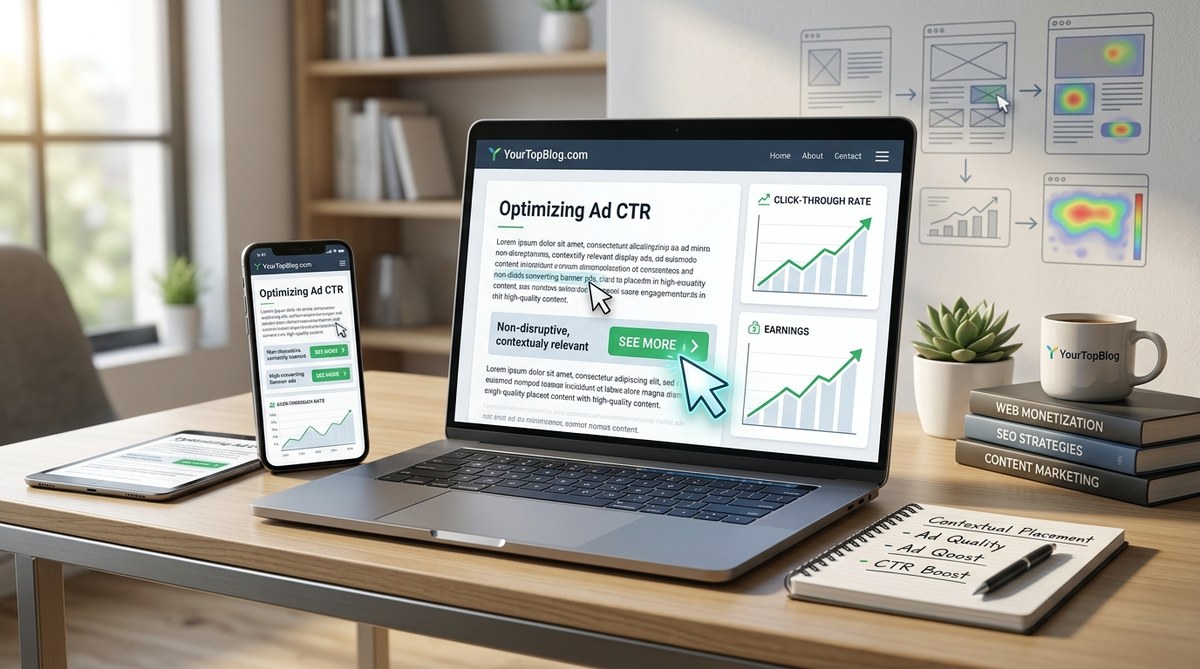
Getting visitors to notice and click on your ads can feel like a constant battle. Banner blindness, ad fatigue, and clutter make it tough to get the engagement you need. But there are ways to turn this challenge into an opportunity. By understanding why users ignore ads and applying smart, human-centered techniques, you can make your advertising more visible and clickable without overwhelming your audience. Let’s dive into how you can do this naturally and effectively.
Reducing ad blindness involves blending ads seamlessly into your content, making them relevant and non-intrusive. Using strategic placement, native formats, and engaging visuals helps your audience see and click your ads naturally, boosting engagement without disrupting their experience.
Understanding Why Ad Blindness Happens
Ad blindness occurs when visitors consciously or subconsciously ignore ads. This is a natural response to repetitive, irrelevant, or poorly placed advertisements. Users have developed a mental filter for ads, especially in a cluttered online environment. Recognizing these psychological and design factors is the first step toward reducing banner fatigue.
Common reasons for ad blindness include:
- Overexposure to the same ads
- Poor relevance or targeting
- Disruptive placement or design
- Excessive ad clutter
- Lack of visual appeal or engagement
Understanding these causes helps you develop tailored strategies that encourage users to notice your ads without feeling overwhelmed.
Practical Steps to Reduce Ad Blindness
Here are three key processes to help your ads stand out naturally:
-
Rotate and refresh your ad creatives regularly.
Changing visuals and messaging keeps your ads fresh and prevents users from tuning them out. Use platforms like https://yourtopblog.com/the-complete-guide-to-adsense-auto-ads-should-you-turn-them-on/ to automate rotation and testing. -
Place ads strategically within high-engagement areas.
Position ads near content that users naturally focus on, such as within the middle of articles or alongside relevant images. Avoid placing ads in areas where users expect to find them, like the top banner or sidebar, unless they are native or blended seamlessly. -
Use native advertising and blend ads into your content.
Native ads mimic the look and feel of your site’s content, reducing the chance of ignored banners. The goal is to make ads feel like a natural part of the user experience, which increases the chance of engagement.
Key Techniques to Naturally Reduce Ad Blindness
- Use eye-catching but relevant visuals
- Incorporate clear call-to-actions
- Match ad style with your site’s design
- Optimize ad size and placement for mobile
- Implement A/B testing to find what works best
Techniques and Mistakes Table
| Technique | Mistake to Avoid |
|---|---|
| Native advertising integration | Overloading pages with intrusive ads |
| Strategic ad placement | Putting all ads in the footer or sidebar |
| Regular ad creative refresh | Relying on static, unchanging ads |
| Mobile-first ad design | Ignoring mobile ad placement |
| Visual contrast with relevant content | Using dull or mismatched visuals |
How To Make Your Ads More Noticeable Without Disrupting
Sometimes the key to reducing ad blindness is simply making your ads more interesting and relevant. Here are actionable tips:
- Use bold colors and sharp contrasts that still fit your brand style
- Incorporate animations sparingly to draw attention
- Personalize ad content based on visitor behavior or preferences
- Use headlines that spark curiosity or offer value
- Test different formats such as in-article, native, or responsive ads
“The best ads are those that add value to the user experience, not disrupt it. When users find your ads helpful or relevant, they are more likely to notice and click.” — marketing expert Jane Doe
Automating and Measuring Success
Once you have implemented these strategies, tools like https://yourtopblog.com/the-complete-guide-to-adsense-auto-ads-should-you-turn-them-on/ help automate ad rotation and optimize placement. Use analytics to track click-through rates, engagement, and bounce rates. Adjust your tactics based on data to continually improve visibility.
Common mistakes to avoid include:
- Ignoring mobile optimization
- Overloading pages with too many ads
- Failing to refresh creatives regularly
- Using irrelevant or poorly targeted ads
| Technique | Mistake to Avoid |
|---|---|
| A/B testing ad formats | Relying on a single static ad setup |
| Mobile ad optimization | Ignoring mobile ad placement |
| Data-driven adjustments | Ignoring performance metrics |
| Personalization based on data | Sending irrelevant ads to visitors |
Final Tips for Long-Term Success
Reducing ad blindness is an ongoing process. Here are some final ideas to keep in mind:
- Keep ads relevant to your audience’s interests
- Incorporate user feedback into your ad strategy
- Stay updated with new ad formats and placements
- Focus on user experience first, revenue second
- Experiment with new formats like video or interactive ads
Making Your Ads Part of the Content Flow
Integrate ads smoothly into your site by using in-article placements or native formats. For example, a recipe blog might include sponsored product suggestions within the instructions rather than in a sidebar. This approach keeps your site’s look clean and makes ads less noticeable as disruptive elements.
Wrapping Up Your Approach to Ad Engagement
By approaching ad placement with a human-centered mindset, you naturally reduce banner fatigue and increase your chances of clicks. Remember that the goal is to present ads that are relevant, well-placed, and visually appealing, all while maintaining a seamless user experience.
Start by implementing small changes like rotating creatives or testing native formats. Over time, these efforts will help your visitors see your ads as helpful rather than annoying, leading to better engagement and improved revenue.
Keep Moving Forward with Confidence
Reducing ad blindness isn’t about tricking visitors. It’s about understanding their behavior and designing your advertising strategy to meet their expectations naturally. With patience and consistent optimization, your site can enjoy higher click-through rates without sacrificing user trust. Give these tactics a try and watch your ad engagement grow organically.