
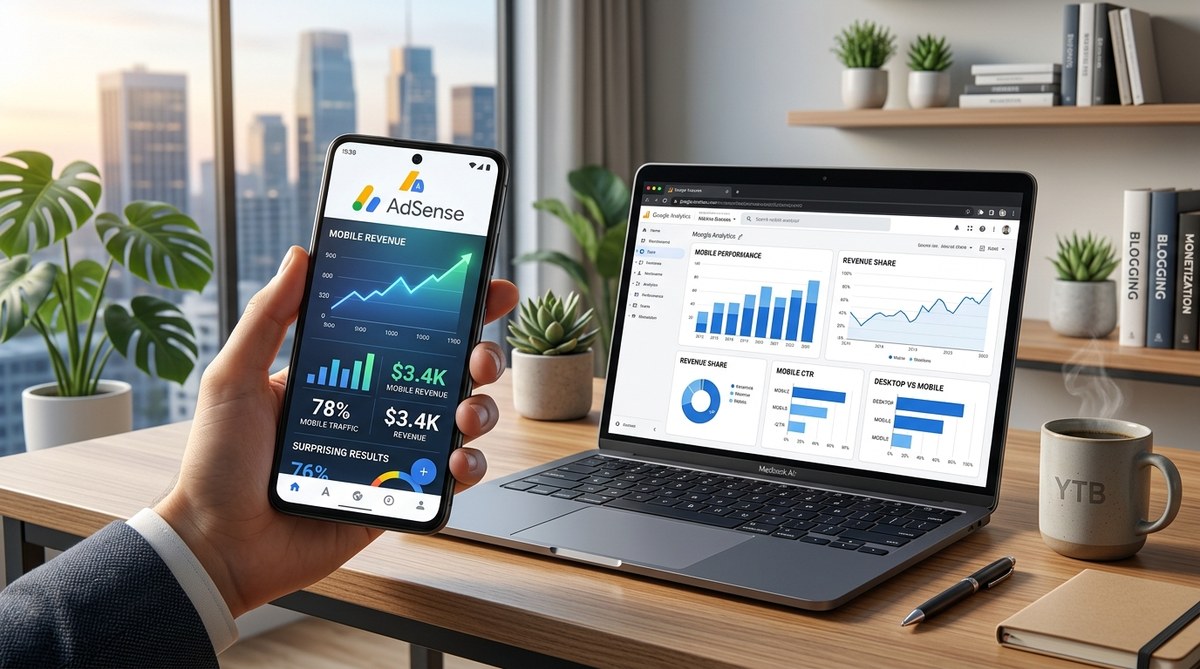
Starting a website or app today without considering mobile ad revenue is like leaving money on the table. Mobile users now make up the majority of internet traffic, and understanding how to monetize this audience effectively can transform your income. Whether you’re a developer or a site owner, knowing the ins and outs of AdSense on mobile can help you boost revenue while keeping users engaged.
Optimizing AdSense for mobile involves understanding user behavior, choosing the right ad formats, and balancing user experience with revenue goals. Effective strategies can significantly increase earnings without annoying your visitors. Focus on seamless integration and continuous testing to find what works best for your audience.
Why AdSense on Mobile Is a Game-Changer
Mobile advertising has grown exponentially over recent years. More people browse, shop, and consume content on smartphones than ever before. This shift makes mobile ad strategies critical for monetization success. When using AdSense on mobile, you get access to a large, engaged audience, but it also requires a tailored approach. Mobile users have different expectations and behaviors compared to desktop users.
Understanding how to tailor your ad placement, formats, and user experience can lead to higher click-through rates and increased RPM (revenue per thousand impressions). Recognizing the differences and adjusting your strategies accordingly is key to maximizing your mobile ad earnings.
How to Optimize AdSense for Mobile Success
Getting the most out of AdSense on mobile isn’t just about slapping ads everywhere. It involves a strategic approach that combines technical setup, content design, and ongoing optimization. Here are three practical steps to enhance your mobile monetization:
-
Choose the right ad formats: Use formats that fit naturally within your content. Responsive auto ads are popular because they adapt to various screen sizes. Native ads blend seamlessly, reducing disruption. Experiment with different formats to see which generate the highest RPM.
-
Optimize placement and density: Place ads where users naturally look or scroll, such as within articles or at the end of sections. Avoid overloading pages with ads, which can hurt user experience and violate policies. Use a bulleted list for quick reference:
-
In-content ads that appear mid-article
- Banner ads at the top or bottom
- Native ads embedded within content
-
Sticky or floating ads sparingly
-
Improve page speed and user experience: Fast-loading sites keep visitors engaged longer and encourage interaction with ads. Compress images, minimize scripts, and use a reliable hosting provider. Also, ensure your site is mobile-friendly, with easy navigation and readable text.
Common Mistakes That Cost Mobile Revenue
| Mistake | Explanation | Impact |
|---|---|---|
| Overloading pages with ads | Too many ads can slow down the site and annoy visitors | Lower user engagement and policy violations |
| Ignoring mobile responsiveness | Non-responsive layouts hide or distort ads | Reduced ad visibility and clicks |
| Using static ad sizes | Fixed sizes don’t adapt to different screens | Poor user experience and lower RPM |
| Not testing ad placement | Relying on guesswork without data | Missed revenue opportunities |
“Focus on creating a seamless experience first. Ads should complement your content, not detract from it,” advises digital strategist Lisa Turner.
Techniques for Better Mobile Ad Performance
- Use responsive auto ads for adaptability
- Place ads within content where natural reading flow occurs
- Limit the number of ads per page to avoid penalties
- Test different placements and formats regularly
- Use analytics to track which ads perform best
Practical Process for Implementing Effective Mobile AdSense
- Set up responsive auto ads in your AdSense account.
- Audit your site’s design to ensure it’s mobile-friendly.
- Experiment with placement by moving ads and observing changes in RPM.
- Monitor performance using Google Analytics and AdSense reports.
- Adjust ad density based on user behavior and feedback.
Balancing User Experience and Revenue
While increasing ad revenue is important, it should not come at the expense of user satisfaction. Overloading mobile pages with ads can lead to higher bounce rates, lower engagement, and even policy violations. Always test your changes and gather data to understand what your audience tolerates.
A good rule of thumb is to keep the user experience smooth. Use native and auto ads that fit naturally into your content. Make sure your site loads quickly and is easy to navigate. Remember, satisfied visitors are more likely to stay longer and click on your ads.
When to Rethink Your Mobile Ad Strategy
If your mobile RPM stagnates or declines, it’s time to revisit your approach. Consider the following:
- Are your ad formats still effective? Sometimes switching to newer formats like anchor or vignette ads can boost revenue.
- Is your site loading fast enough? Page speed directly impacts ad impressions and clicks.
- Are your placements optimal? Moving ads to better positions can improve CTR.
- Are you complying with policies? Violations can lead to account bans and loss of revenue.
Regular audits and testing are essential. Keep up with AdSense updates and industry best practices. Staying proactive ensures your mobile monetization remains strong.
Final Tips for Growing Your Mobile Ad Earnings
- Focus on high-quality, engaging content to attract repeat visitors.
- Use A/B testing to compare different ad placements and formats.
- Incorporate user feedback to improve ad placement without disrupting experience.
- Keep your website design clean and uncluttered.
- Stay informed about policy changes to avoid violations.
With consistent effort and strategic adjustments, your AdSense on mobile can become a reliable income stream. Remember that balancing monetization with a positive user experience leads to sustainable growth.
Making Mobile Monetization Work for You
Mobile advertising isn’t a set-it-and-forget-it game. It requires ongoing attention and tweaks to stay ahead. By understanding your audience, selecting the right ad formats, and continuously testing, you can increase your earnings without alienating visitors. Keep learning from analytics, stay updated on policy changes, and refine your approach regularly.
Applying these techniques will help you turn your mobile traffic into a profitable venture. Keep experimenting and adjusting, and you’ll find the right balance that maximizes revenue while keeping your audience happy.